


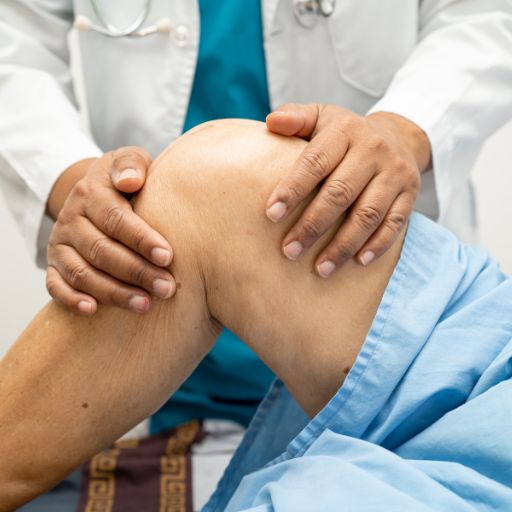
The knee is a complex, weight-bearing joint that relies on a delicate balance of bones, cartilage, ligaments, and tendons to function smoothly. When any of these components are damaged by wear and tear, sudden injury, or systemic inflammation, chronic pain is the result.

.jpg)
.jpg)


You should schedule a consultation with a pain specialist if your knee pain has lasted for more than a few weeks, fails to improve with rest and ice, or prevents you from performing standard daily activities. Seeking professional care is also highly recommended if you experience a feeling of instability where your knee feels like it might give out, or if you are relying on daily anti-inflammatory medications just to get through your routine.
Many of our interventional treatments, such as Epidural Steroid Injections and Radio-frequency Ablation (RFA), are widely covered by major commercial insurance plans and Medicare. Regenerative and wellness therapies may have different coverage options, which our billing team will review with you transparently before any treatment begins.
In many cases, no! You can contact our office directly to schedule an initial consultation. However, some insurance plans do require a primary care referral, so we recommend checking your specific policy or calling our friendly front desk team for guidance.
Our minimally invasive treatments are designed to provide significant pain relief and restore function for patients who are either not candidates for surgery, wish to delay surgery, or prefer to avoid a major operative procedure altogether. While we do not replace structural components like an orthopedic surgeon does, therapies such as radio-frequency ablation can successfully manage pain levels so effectively that many patients are able to comfortably postpone or entirely avoid joint replacement surgery.
Most of our advanced, non-surgical procedures require minimal to no downtime, allowing you to return to your normal daily routine very quickly. While we generally recommend that patients rest and avoid heavy strenuous activity or intense lifting for the first twenty-four to forty-eight hours following a treatment, most individuals find they can return to standard office work or light activities the very next day.
Yes, it is entirely possible for a spinal issue to present primarily as knee pain due to a medical phenomenon known as referred pain. When the nerves in your lumbar spine become compressed or inflamed due to arthritis or a herniated disc, the pain signals can travel along the nerve pathway and manifest as a sharp, burning, or aching sensation directly in your knee joint even if the knee itself is perfectly healthy.
Describe your pain clearly and in as much detail as possible. Most doctors and nurses ask you to describe your level of pain on a scale.


