



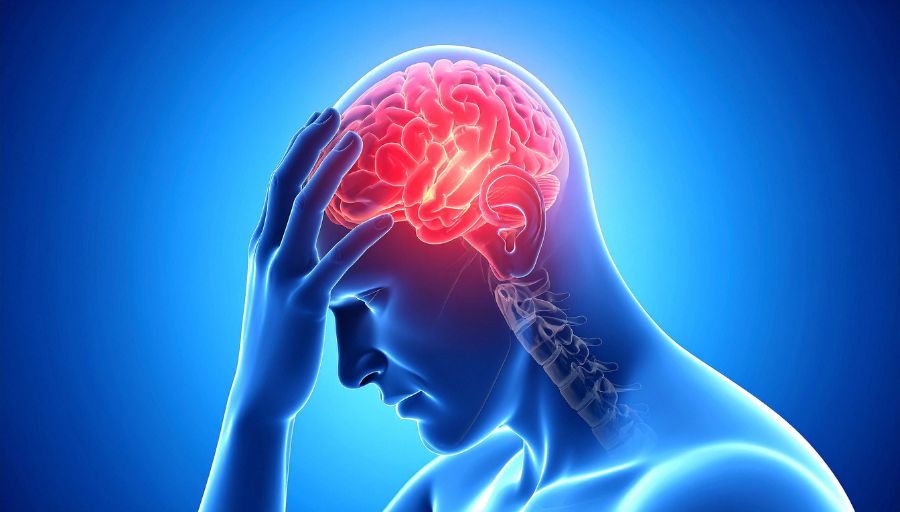
Most people assume all head pain is a “headache,” but that’s not always true. Some forms of head and facial pain come from irritated nerves — not blood vessels, tension, or sinus pressure. These nerve‑based conditions can feel sharp, electric, burning, or stabbing, and they often get misdiagnosed as migraines or tension headaches.
At Genesis Wellness and Pain Clinic, we treat both traditional headaches and nerve‑based head pain, including occipital neuralgia, trigeminal nerve pain, and facial nerve disorders. Understanding the difference is the first step toward getting the right treatment — because nerve pain requires a completely different approach than typical headaches.
This article breaks down the key differences in a clear, patient‑friendly way.
Headaches come in several forms — tension headaches, migraines, cluster headaches — but they share common features.
Headaches usually respond to rest, hydration, medication, or lifestyle changes.
Nerve‑based head pain is very different. It comes from irritated or compressed nerves in the head, neck, or face — and the pain is often sharper, more intense, and more sudden.
The two most common nerve‑based head pain conditions are:
This condition occurs when the occipital nerves (located at the base of the skull) become irritated.
Occipital neuralgia is often mistaken for migraines — but it requires nerve‑focused treatment.
This condition affects the trigeminal nerve, which controls sensation in the face.
Trigeminal neuralgia is one of the most severe nerve pain conditions — and it is frequently misdiagnosed.
If your pain feels “electric,” “shooting,” or “zapping,” it is far more likely to be nerve‑based.
Treating nerve pain like a headache rarely works.
Treating headaches like nerve pain doesn’t work either.
This is why diagnosis is essential — and why so many patients finally find relief after receiving the correct evaluation at Genesis Wellness.
We offer advanced, minimally invasive treatments that target the irritated nerves directly.
These injections calm the inflamed occipital nerves and provide fast relief.
Used for trigeminal neuralgia and severe facial pain.
Gently quiets overactive nerves for long‑lasting relief.
Effective for facial pain, migraines, and nerve‑based head pain.
Ideal for patients who cannot tolerate migraine medications.
We address sleep, stress, posture, and neck tension — all of which influence head and nerve pain.
You should seek evaluation if your head pain is:
These are strong signs of nerve‑based pain — and the sooner it’s treated, the better the outcome.
Not all head pain is the same — and understanding the difference between headaches and nerve‑based pain can change everything. At Genesis Wellness and Pain, we provide clear answers, accurate diagnosis, and targeted treatments that help patients finally find relief.

.jpg)
.jpg)